
Many people who are health-conscious, weight training enthusiasts, or those who focus on high-protein diets for weight management often hear statements like, "Eating too much protein can damage your kidneys," or "Eating a lot of chicken or whey protein can lead to kidney disease." This message causes considerable concern and leads many to wonder if their current protein intake is "too much" and harmful. The question is, what are the medical facts regarding this?
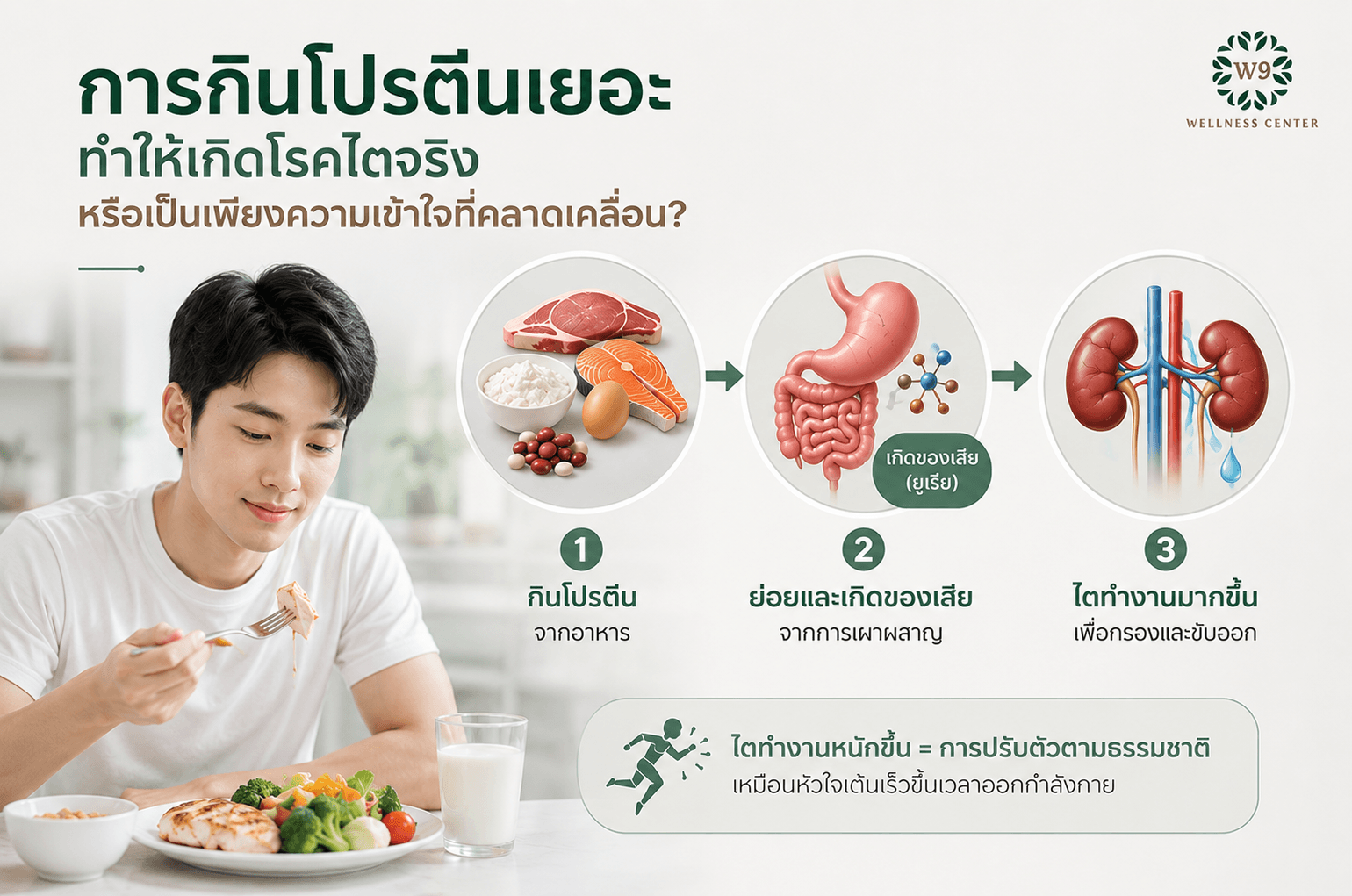
When we consume protein-rich foods, whether from meat, eggs, milk, or plant-based proteins, the body breaks them down into amino acids for use in building muscles, repairing damaged tissues, and producing various hormones. This digestion and metabolism of protein produces waste products, namely nitrogenous compounds (such as urea). These wastes are then sent to the kidneys to be filtered and excreted from the body through urine.
When we consume more protein, our kidneys have to work harder to filter out waste products from protein digestion. This increased kidney workload is a natural adaptation, similar to how our heart muscle beats faster during exercise.
1. For people with healthy kidneys, current research and medical data have not found clear evidence that a high-protein diet in healthy individuals will cause kidney disease or long-term kidney failure. The kidneys of healthy people are able to adapt to filter increased waste without being damaged.
2. For individuals with pre-existing kidney disease or underlying kidney conditions, the situation is completely different. If you already have kidney failure (which many people may be unaware of because it often shows no symptoms in the early stages), consuming high amounts of protein will further burden your already weakened kidneys, causing them to work harder and deteriorate faster. Therefore, these patients need to limit their protein intake as advised by their doctor.
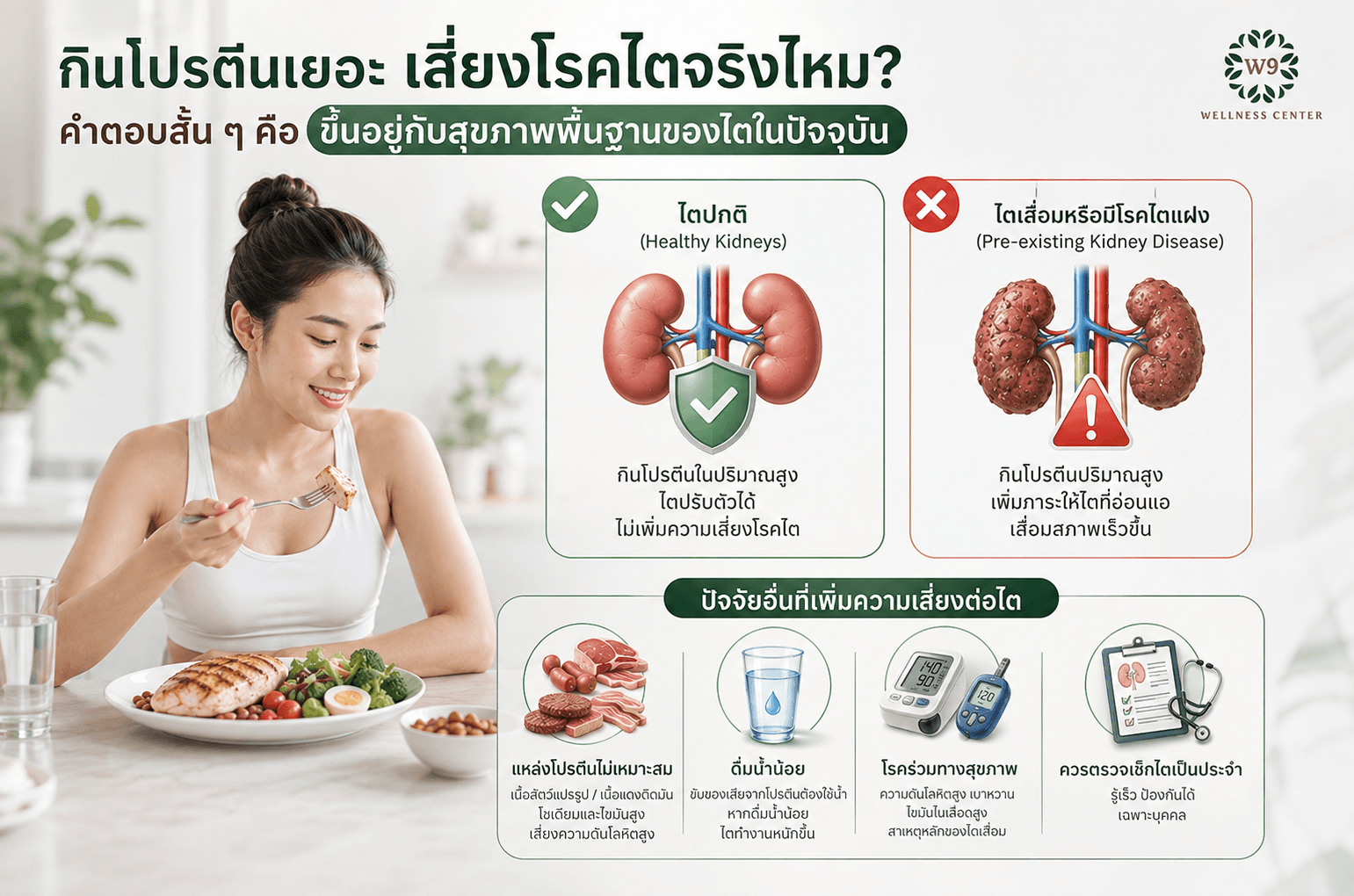
Other often overlooked factors: Why do some people have problems consuming protein? The risk may not come solely from the "protein" itself, but from dietary patterns and other environmental factors, such as the source of protein. Consuming large amounts of processed meats (like bacon and sausage) or fatty red meat often comes with high levels of sodium and saturated fat. These factors contribute to high blood pressure, directly increase the risk of kidney disease, and cause dehydration, as the process of eliminating protein waste requires water. If you consume high protein but drink insufficient water, the kidneys have to work harder under high-concentration conditions, negatively impacting their filtration system. Furthermore, co-existing health conditions such as high blood pressure, diabetes, and high cholesterol should be considered; these are among the leading causes of kidney failure, even if they are not directly related to protein intake.
Target group for recommended daily protein intake.
Individuals with kidney disease should follow a diet plan calculated by their doctor or dietitian. The important thing is not just "what to eat," but "how healthy are your kidneys?" If you already exercise, control your diet, or consume a high-protein diet, the most important thing is not to panic and stop eating protein, but to check your basic health through annual checkups to monitor kidney function, such as creatinine, BUN, and eGFR. This will help you determine if your kidneys are healthy enough for a high-protein diet.
A focused approach to healthcare isn't about following trends. Avoiding certain foods out of fear is inadvisable and can lead to other health problems, such as hypoglycemia (induce vomiting after eating). Truly understanding your body and assessing its readiness is the best way to determine what and how much you should consume. Checking kidney function and metabolism before starting a diet helps create a more targeted approach. Additionally, drinking enough water (at least 2.5–3 liters per day when consuming a high-protein diet) helps protect the kidneys, and emphasizing high-quality protein sources like fish, eggs, chicken breast, or plant-based proteins is crucial.
Everyone's health is different. The "right" amount of nutrients for your friend may not be the right amount for you. If you have questions about nutrition or want to plan a healthy long-term diet, consulting a doctor or specialist for an assessment based on blood test results and your actual lifestyle will help you achieve your health goals with confidence and safety.
Each person has different health goals and lifestyles. Two people might consume the same amount of protein, but the results and their bodies' reactions could be completely different. One person who exercises intensely might need high protein to build muscle, while another might have an underlying kidney condition without knowing it. Therefore, following a high-protein diet trend might unnecessarily burden the body.
The approach of W9 Wellness Center Emphasize preventative and personalized healthcare, starting with a collaborative review of your eating habits, lifestyle, health history, and a thorough analysis of laboratory test results to find the safest and most suitable balance for you.
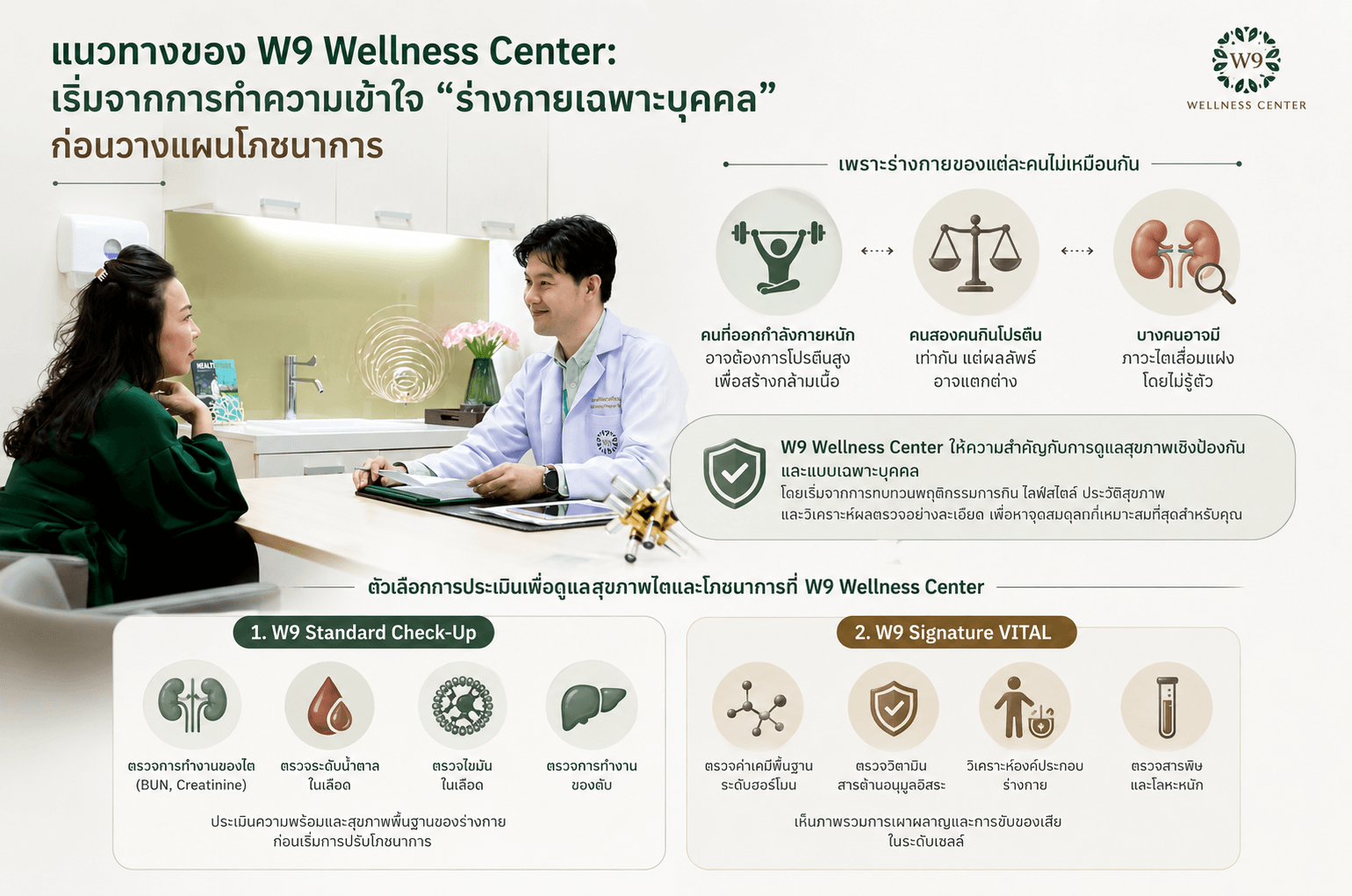
Assessment options for kidney health and nutrition at W9 Wellness Center.
W9 Signature VITAL: For a deeper assessment, this program covers basic chemistry, hormone levels, vitamins, antioxidants, body composition analysis, and even testing for toxins and heavy metals, providing a comprehensive overview of metabolism and waste elimination at the cellular level.
W9 Standard Check-Up: A comprehensive annual health check program that includes screening for kidney function (BUN, Creatinine), blood sugar levels, blood lipids, and liver function, to accurately assess the body's overall readiness and health before beginning nutritional adjustments.
The goal, therefore, is not to perform as many tests as possible, but to select and assess what is meaningful to each individual's health.
Q: How can I tell if the protein I'm consuming today is excessive and starting to harm my kidneys? A: Early-stage kidney failure often presents with no clear warning signs. The only way to accurately diagnose it is through blood and urine tests to check kidney function (e.g., creatinine, eGFR, and BUN), along with an assessment of actual daily protein intake by a doctor or specialist.
Q: I had a routine annual health checkup and my kidney function is in good condition. Does that mean I can eat unlimited protein? A: A normal test result means your kidneys are currently healthy, but it doesn't mean you should continuously consume excessively high amounts of protein without control. Other factors such as sodium intake, protein source, and dehydration can also affect the kidneys in the long term.
Q: If I want to adjust my nutrition and increase protein for muscle building, but am concerned about kidney health, where should I start? A: There's no need to guess or experiment on your own. Start by assessing your basic health and kidney function. Then, have a doctor or specialist help you calculate the appropriate amount of protein for your specific goals and body.
Sustainable healthcare according to W9 is not about abstaining from or overdoing on nutrients as some people claim, but rather... "Assess based on the individual." To plan your protein intake, supplements, and lifestyle adjustments based on real health data, helping you achieve your health and fitness goals without risking long-term kidney problems.
W9 Wellness Center has two branches.
📍Rama 9 Branch (Ital-Thai House Building)
Call 062-424-2298
📍Chaengwattana Branch (Charn Avenue Project)
Call 062-424-9429
Line @w9bkkwellness
Written and compiled by

Anti-aging and preventative medicine physician
W9 Wellness Center