
Many people experience similar symptoms without noticing them: easy bloating despite eating little, morning brain fog, shallow sleep, waking up feeling unrested, or feeling tired all day, even though general health checkups appear normal. These symptoms are often attributed to stress or insufficient rest and are simply ignored. From a preventive medicine perspective, the concept... Gut Reset Please explain how these symptoms may be related to an imbalance in the gut system, which systemically affects energy, sleep, mood, and brain function. If left untreated, it can unknowingly impact long-term quality of life.
Bloating, brain fatigue, or shallow sleep may seem like unrelated symptoms, but medically, these conditions are often linked through a particular "gut axis." Gut Microbiome
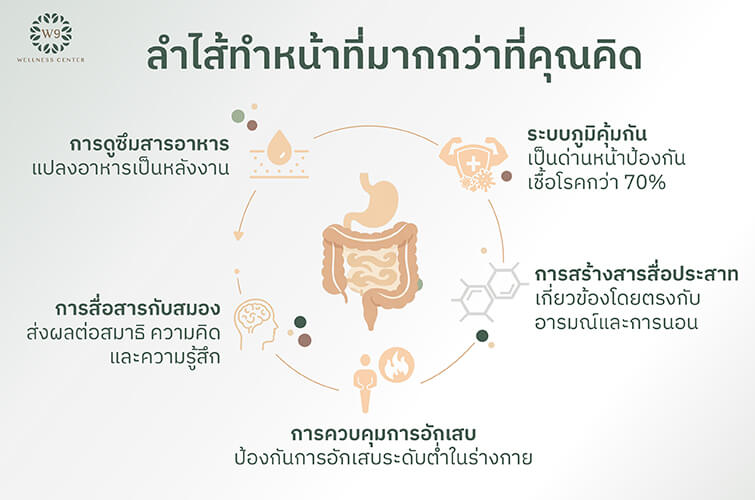
The intestines are not only responsible for digesting food, but are also involved in...
When the balance of gut microbiota is disrupted, the body sends out signals through various systems simultaneously, leading to symptoms such as chronic bloating, shallow sleep, decreased concentration, or brain fog, without necessarily always presenting with "severe abdominal pain."
The causes of gut imbalance are usually not a single issue, but rather a cumulative result of multiple factors working together. These can be listed from "most common" to "least common" as follows:
Commonly found
Less common

When these factors accumulate, microbial diversity tends to decrease, increasing the risk of... Low-grade inflammation This is associated with chronic fatigue and decreased sleep quality.
Although bloating, brain fatigue, or shallow sleep are not emergencies, if they recur and become chronic, they often gradually affect quality of life, such as:

The key is not to "fear the disease," but to see the signs in the early stages and gradually restore the body's balance before the problem becomes more complex.
Preventive medicine physicians assess symptoms holistically, considering symptoms, behaviors, and related systems, not just the "gut" in isolation.
In some cases, your doctor may consider a more comprehensive health checkup, such as: Healthitude Program To assess the risk to various body systems and comprehensively identify the "root causes" of chronic conditions.
The goal is to understand the "true cause" of the symptoms in order to provide personalized advice, not to follow a one-size-fits-all approach.
While gut microbiota cannot be completely "reset" in just 7 days, several studies have shown that dietary changes can affect gut microbiota and gastrointestinal symptoms within a few days to about a week.
One approach that many people can actually follow is... Gut Reset 7 Days Or a "gentle gut reset program," which uses a simple principle: reduce things that irritate the gut, and then gradually add things that help restore balance.
For the first two days, focus on "reducing the burden" on your digestive system. Avoid processed foods, high-sugar foods, fried foods, sugary drinks, and alcohol.
Many people will begin to notice a reduction in abdominal bloating or swelling, and feel lighter.
Increase your intake of fiber, which serves as food for good bacteria, from sources like oatmeal, unripe bananas, onions, garlic, asparagus, and sweet potatoes.
This step supports the production of key substances involved in intestinal wall regeneration and reducing inflammation.
Choose fermented foods in appropriate amounts, such as yogurt, kimchi, kombucha, and tempeh.
The important thing is to consume "just the right amount," because some people may experience bloating if they take too much at once.
Choose foods that help reduce inflammation, such as leafy green vegetables, fatty fish, ginger, turmeric, nuts, seeds, and berries.
Today feels like a "closing" day, helping the body calm down and recover better.
Besides diet, daily habits significantly impact the gut health and sleep quality, such as:
These small adjustments help the body enter recovery mode and can make dietary changes more effective in some people.
In some cases, inspections or evaluations of related systems include, for example: Gut Microbiome Balance Testing This may help to gain a clearer understanding of the root causes of symptoms, especially in those with chronic symptoms or those whose symptoms have not improved despite lifestyle changes.
Bloating, mental fatigue, and shallow sleep may reflect an imbalance in the gut system, especially when these symptoms recur and are associated with stress, processed foods, or irregular sleep patterns. Starting to adjust your lifestyle with these approaches... Gut Reset 7 Days It's a practical and gentle first step, helping many people regain a feeling of lightness, sleep better, and feel more energetic naturally.
This article is intended for general health information and cannot replace a medical diagnosis or advice. If you experience any unusual symptoms, please consult a specialist.
Rama IX Hospital (3rd floor, Building A)
Written and compiled by

Dr. Chalermpon Innachit (Dr. Nong)
Anti-aging and preventative medicine physician
W9 Wellness Center