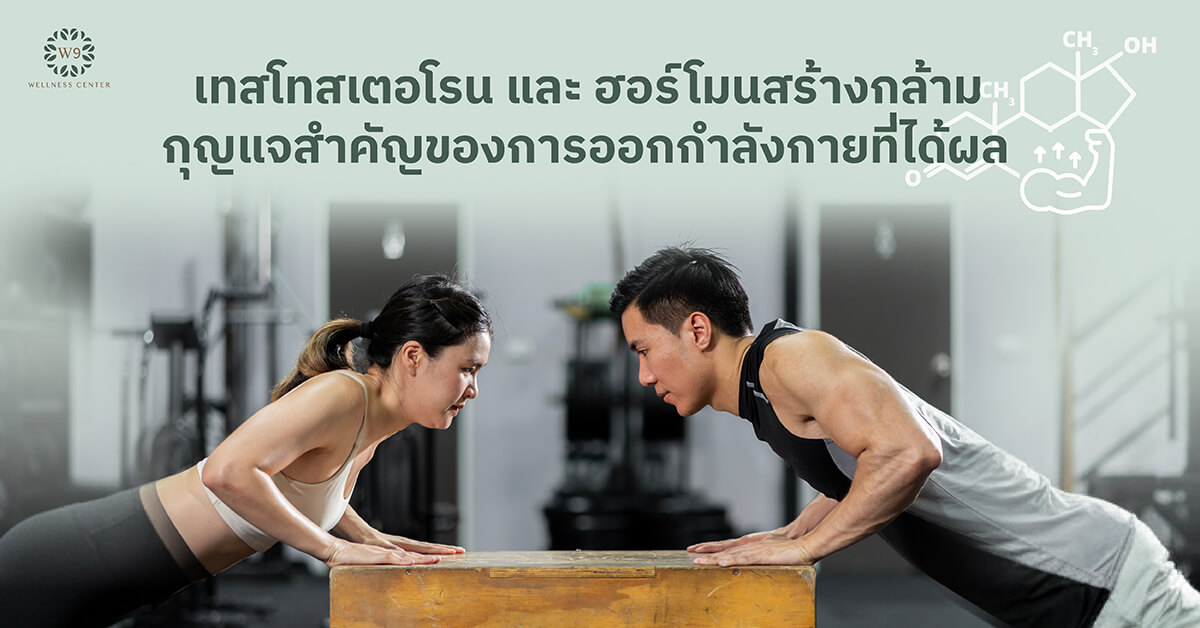
Many people exercise with discipline and eat well at every meal, but feel like they are “not gaining muscle” or “tired more easily than expected.” In fact, the answer may not lie solely in the fitness program or diet, but in: Balance of “Testosterone” and Anabolic Hormones Behind your body's power and recovery
Before you can build muscle effectively, your body needs to have a good “basic hormonal balance,” especially these two.
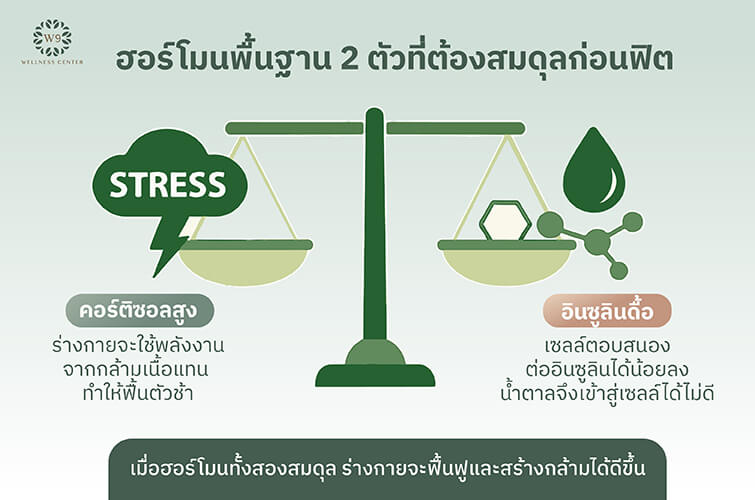
When these two hormones are in balance, your metabolism and energy production are at peak performance, the foundation for effective exercise.
Testosterone is the primary male sex hormone (but also occurs in women). It plays a key role in muscle building, protein synthesis, energy, and exercise motivation.
Human research (Pasiakos et al., 2020) found that in states of energy deficiency, testosterone administration can stimulate the process. mixed-muscle protein synthesis (Protein synthesis process in muscles) and balance of muscle proteome dynamics Which is an important mechanism for building new muscles (Read the full research here.)
While previous research (Griggs et al., 1989) confirmed that testosterone has anabolic effects, significantly increasing the rate of muscle protein synthesis (PubMed link)
However, the effect on fat mass reduction needs more evidence, as each study has different conditions, such as energy levels, age groups, and gender of the participants. When testosterone levels are maintained at an appropriate level, the body responds better to exercise, showing more energy and efficient recovery, without the need for hormone supplements.
Although testosterone is called the “male hormone,” women also have it (albeit in lower levels) and it has similar effects on energy, muscle mass, and mood. When a woman's testosterone levels drop too low, it can cause fatigue, a lower metabolism, or a decreased motivation to exercise.
What is the difference between Anabolic and Catabolic Hormones?
Maintaining a balance between these two groups is the heart of a healthy body.
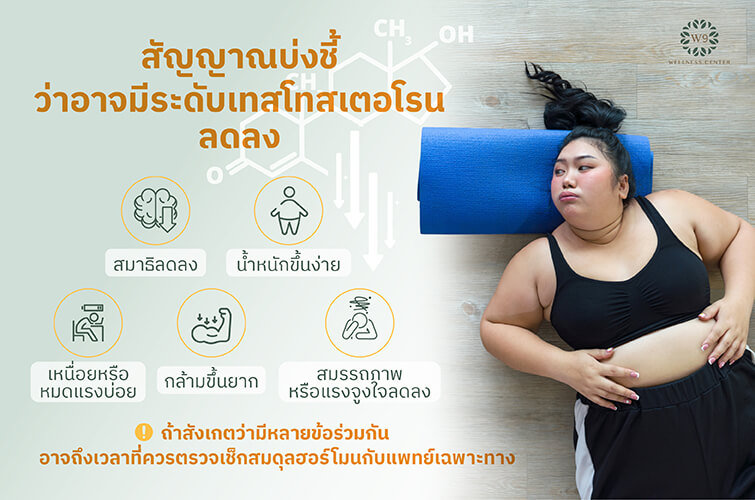
You may not be aware that your hormones are imbalanced. If you experience several of these symptoms together, it's a good idea to get your hormone levels tested by a specialist.
Knowing these “warning signs” can help you take preventative care of your body sooner rather than later, before your hormones become too imbalanced.
Some people mistakenly believe that “testosterone injections” or “GH stimulants” will help them gain muscle quickly, but in fact, The use of hormone supplements without medical indication is considered risky and illegal for athletes.
Hormone therapy should only be used in people with low hormone levels and always under close medical supervision to carefully weigh the individual benefits and risks.
Restoring hormone balance is not about increasing the amount, but about restoring balance so the body can function naturally.
A 38-year-old patient exercises regularly but has not gained muscle mass and feels more tired than usual after undergoing the examination. Complete Hormone His testosterone levels were found to be lower than normal for his age, so his medical team recommended a hormone restoration program, along with personalized nutritional adjustments. Within three months, he felt more energetic, slept better, and was once again motivated to exercise to his full potential.
This is the heart of W9 Wellness, taking care of your hormones and cells to help you revitalize your best self.
Q: How do I know if my testosterone is low?
A: Blood tests can be done to measure hormone levels, and your doctor will assess your symptoms and overall health.
Q: Does staying up late affect testosterone?
A: It's very effective: Sleeping less than 6 hours per night can lower testosterone levels by 10–15% in a week.
Q: Do testosterone-boosting supplements help?
A: There is no clear clinical evidence for most of the time. It is recommended to focus on eating real food and getting enough rest.
Q: Do women need to get their testosterone tested?
A: If you experience fatigue, a decreased metabolism, or muscle weakness, a hormone test may help you better understand the cause.
at W9 Wellness Center We emphasize a holistic and preventive approach to health care, using in-depth testing to analyze hormone, vitamin and metabolic levels to plan individualized care.
Related services
Praram 9 Hospital (3rd floor, Building A)
Written and compiled by

Anti-aging and preventative medicine physician
W9 Wellness Center